
Whoa, that’s wild. I was poking around Solana blocks yesterday and felt something shift. The explorer showed a weird burst of transactions and some failed swaps. At first I shrugged it off as noise, then curiosity pulled me deeper. Initially I thought this was just a high-frequency bot or temporary mempool congestion, but the patterns repeated across wallets and programs, which made me pause and actually start to trace the flows.
Really, can you believe it? My instinct said somethin’ was off with the timing. There were repeated signatures across different fee-payers and identical instruction sets. On one hand the cluster metrics looked healthy, though actually when you map slot by slot you can see a very specific choreography that isn’t random. Initially I thought this was a standard routing optimization until I cross-referenced token mints and realized the transfers favored a narrow set of intermediary accounts.
Here’s the thing. Blockchain explorers are supposed to be neutral mirrors of on-chain activity, no spin. But some UI views flatten complexity and mask choreography behind aggregated metrics. I wanted a tool that exposes raw instructions and token flows without noise. So I spun up a few queries, walked through inner instructions, decoded token transfers, and then stitched that into a timeline that actually made sense, revealing relay accounts and repeated on-chain timing signatures.
Hmm… okay, interesting. Solana’s transaction density makes this kind of tracing both possible and messy. Explorer UX matters; queries need to be fast and filters must include program and mint. I found myself toggling between transaction details and token transfer logs, and then tracing signer pubkeys back to custodial patterns that scream automated routers even when the surface looks organic. This is where deeper analytics come in: clustering heuristics, timing analysis, and token-level tracing that respect Solana’s account model all matter in reconstructing intent.
A better explorer mindset
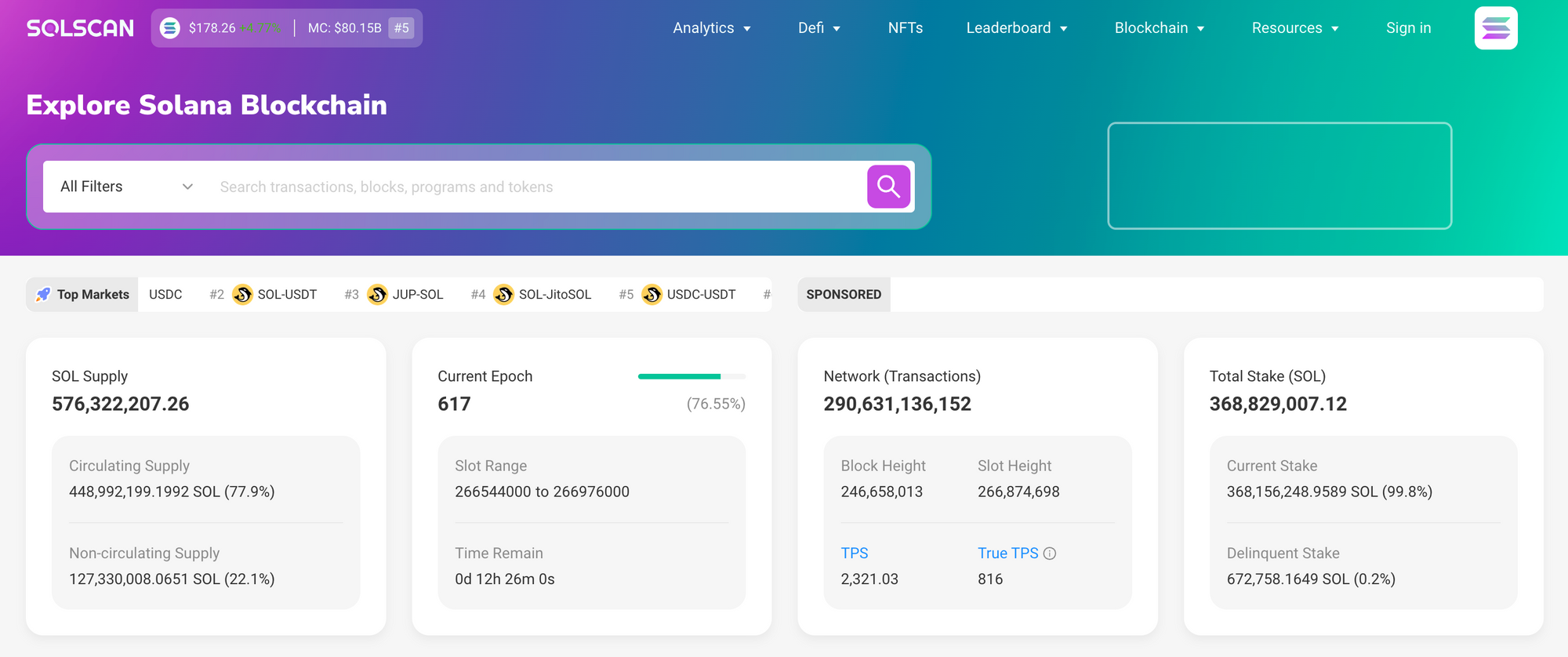
Whoa, seriously though. I started using program filters and mint lookups on solscan to reduce the noise quickly. The right explorer surfaces inner instructions and CPI calls, which matters for chained swaps. I liked seeing pre- and post-token balances inline, and timestamps that match slot commitments. After correlating those balances with fee-payer patterns and following rent-exempt transfers, a clear signal emerged about who orchestrated the flows, though attribution still needs off-chain context.
I’m biased, but… A clean, fast, and transparent reader is a very very important productivity boost for on-chain investigators. That means deep search, token filters, and exportable CSVs for follow-up analysis. I spent an afternoon building a mental model of these flows, and while I can’t claim definitive attribution, the patterns repeated enough that a coherent hypothesis formed about relay clustering behavior. On the Solana network, microsecond timing, deterministic program logic, and repeated account reuse create fingerprints that, when stitched across slots, paint a convincing portrait of automation rather than human traders.
Okay, so check this out— Tools that decode instructions and show token graphs and CPI chains change the game. I bookmarked a few txs and exported the transfer list to cross-reference in my spreadsheet. Simple features like jump-to-account and deep links save hours when investigating repetitive patterns. Check this out—visual timelines that group events by signer and mint make it obvious when a series of swaps were actually internal rebalancing across a few controlled accounts rather than market arbitrage.
I’ll be honest— This part bugs me: public explorers sometimes promote neat dashboards over raw forensics. I want both a friendly dashboard for quick checks and a forensic view. That’s why explorers that let you export raw instruction traces, query by program ID, and pivot around mints are indispensable tools for researchers and compliance teams alike. I’m not 100% sure every investigator needs this level of depth every day, but when you do need it you’ll know it immediately and you’ll thank the toolset that let you follow the crumbs…