
Furthermore, stigma surrounding both mental health and addiction can prevent individuals from seeking needed help. Cognitive Behavioral Therapy is a well-established treatment modality for individuals with both PTSD and substance use disorders (SUD). CBT focuses on https://goldencanola.com/30-best-massachusetts-sober-living-homes-2025-5/ identifying and altering negative thought patterns and behaviors that contribute to both conditions. By addressing the trauma that underlies PTSD and the coping mechanisms—such as substance use—individuals can develop healthier strategies for managing their symptoms. The structured approach of CBT helps patients recognize triggers and learn skills to cope with anxiety and stress without resorting to substances. Post-traumatic stress disorder (PTSD) significantly affects veterans, particularly those who have served in combat.
- Post-traumatic stress disorder is a mental illness that can develop after an individual experiences some kind of traumatic event.
- Drinking alcohol will never solve your trauma, but it will make everything else worse.
- Alcohol can provide temporary relief from anxiety, sleep disturbances, and intrusive thoughts or memories.
- Additionally, alcohol use can hinder the effectiveness of PTSD treatments, making it more difficult for individuals to process and overcome their traumatic experiences.
What is PTSD and how does it relate to alcohol addiction?
Research suggests that online therapy can “significantly improve” symptoms of PTSD, making it “a viable treatment alternative” to traditional in-person sessions. At Veterans Place of Washington Boulevard, we believe there’s no one-size-fits-all solution to healing. That’s why we create individualized support plans tailored to each person’s needs and goals. For one veteran, this might mean pairing counseling with vocational training to ease the transition back into the workforce.
Treatments for AUD
Understanding these core features and vulnerabilities lays the groundwork for developing integrated treatment strategies that target both PTSD and SUD concurrently. For those with SUD, similar symptoms manifest in the form of cravings, withdrawal, and increased tolerance, which can result from attempts to manage PTSD symptoms through substance use. Additionally, emotional dysregulation compounds the challenges faced by individuals afflicted with both disorders. Evidence-based psychosocial therapies like Prolonged Exposure (PE) and Cognitive Processing Therapy (CPT) have been proven safe and effective when used concurrently with SUD treatment.
Outpatient Dual Diagnosis Programs for PTSD and Alcohol
GABA is a neurotransmitter, or brain chemical, that reduces neuron activity and has a calming effect. Alternative therapies, like EMDR (Eye Movement Desensitization and Reprocessing) and mindfulness-based interventions, provide a path for healing for many. If you are experiencing a mental health crisis, please dial 988 (in the United States) to be connected with mental health resources in your area.
Individuals who had problems with alcohol were almost three times as likely to have a co-occurring mental disorder as those with no alcohol problem. Antisocial personality disorder and SUD were the most common co-occurring disorders. It’s a spectrum of drinking behaviours that encompass everything from occasional binge drinking to daily consumption that negatively impacts one’s life. Veterans Place of Washington Boulevard collaborates with local addiction recovery centers and mental health professionals to enhance our services. These partnerships expand the resources available to our veterans, ensuring they receive comprehensive care tailored to their needs. Whether it’s access to specialized detox programs, outpatient therapy, or psychiatric services, our network of partners is committed to supporting veterans on the road to recovery.
Bidirectional Relationship Between Trauma, PTSD, and Substance Use
- A PTSD-SUD specialist, your primary care provider, or a mental health provider can help you explore your treatment options.
- However, some research has examined the prevention of PTSD or AUD separately in this population, which could inform the prevention of comorbid PTSD and AUD.
- Some people don’t start to notice signs of PTSD until years after a traumatic event, but by then, they don’t often put the two together.
- Beyond housing, the program offers resources like case management, counseling, and employment services, addressing immediate and long-term needs.
This cycle exacerbates the symptoms of PTSD and often leads to more severe mental health disorders. For example, someone with PTSD might experience heightened anxiety, depression, and isolation as a result of alcohol use and self medication, trapping them in a dangerous cycle of worsening mental health. Post-traumatic stress disorder can lead to alcohol use disorder since many people use alcohol or other substances to cope with their symptoms. If you do not seek proper treatment for PTSD, you are more vulnerable to unhealthy coping strategies like alcohol misuse. At Confidant Health, we understand ptsd and alcohol abuse that trauma can be life-changing in the worst way.
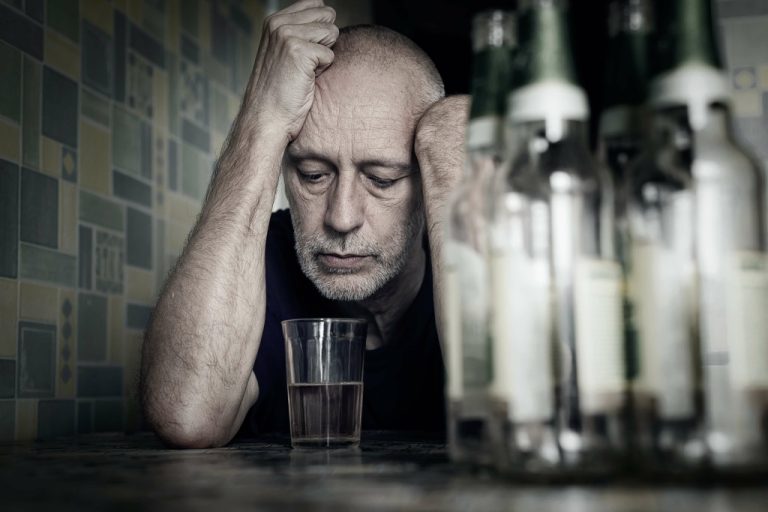
The Cycle of PTSD and Addiction
Some people try to cope with their posttraumatic stress disorder (PTSD) symptoms by drinking heavily, using drugs, or smoking too much. People with PTSD have more problems with drugs and alcohol both before and after developing PTSD. Even if you do not have a problem with alcohol before a traumatic event, if you have PTSD you are at increased risk for developing a drinking or drug problem. Navigating the complexities of PTSD and substance abuse requires a nuanced approach that recognizes the depth of their intersection.

These tools help in identifying symptom severity, tracking progress, and tailoring treatments effectively. Moreover, understanding that PTSD increases the likelihood and severity of substance use emphasizes the importance of early detection. Finally, clinical guidelines stress individualized care plans, considering the patient’s trauma history, substance use patterns, preferences, and comorbidities.
Department for Veterans Affairs, more than 2 of 10 Veterans with PTSD also experience SUD. PTSD alone can cause a range of challenges, from sleep problems and feelings of always being “on guard” to anger and irritability or feeling isolated. Those with PTSD Sober living house and SUD also often have other problems, including health issues, relationship issues, and other issues in their daily life at work or school.